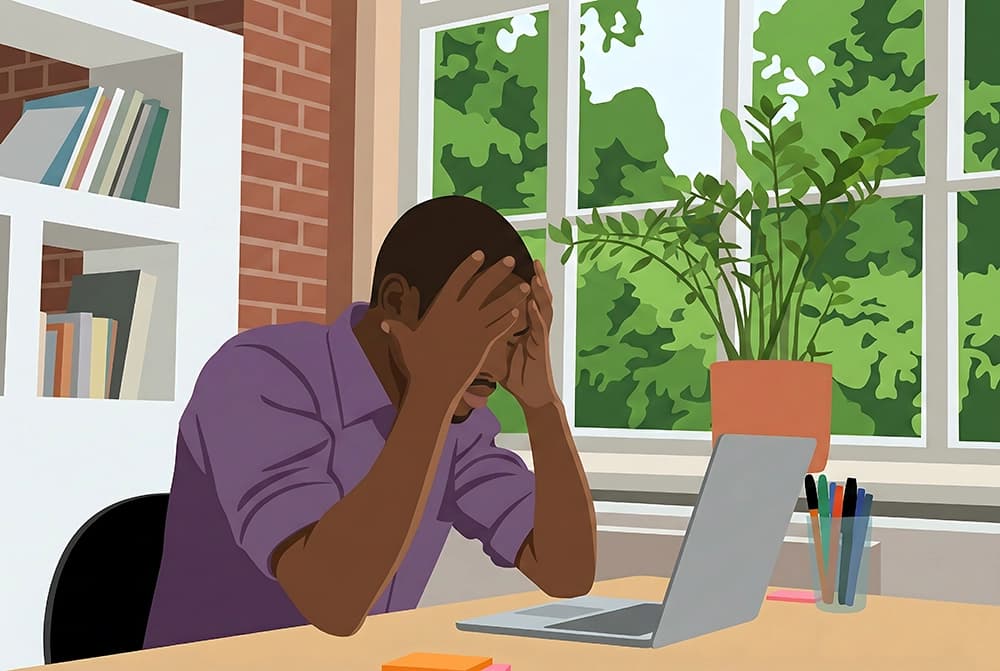
Anxiety and substance use disorder often reinforce each other, and integrated treatment addresses both conditions in one coordinated plan to reduce relapse risk and improve daily functioning.
- 1Anxiety symptoms can drive substance use as a coping strategy and worsen during early recovery.
- 2Integrated treatment addresses both anxiety and substance use in a single coordinated care plan.
- 3A thorough clinical assessment helps distinguish anxiety disorders from substance-induced anxiety.
- 4Evidence-based therapies like CBT and exposure-based approaches are adapted for co-occurring care.
- 5Medication decisions for anxiety in recovery require careful coordination to avoid dependence risk.
Anxiety does not wait for a convenient time to surface during recovery. In West Palm Beach, clinicians regularly see people whose anxiety symptoms spike as substances leave their system, sometimes revealing patterns that were masked for years by drinking or drug use. Anxiety and substance use disorder treatment is designed to address both conditions in one plan, because treating one while ignoring the other often leads to relapse or worsening symptoms.
Understanding how anxiety and substance use interact is the first step toward a care approach that actually works. When these conditions are treated together, clinicians can target the specific thought patterns, physical responses, and coping habits that keep both problems active.
How anxiety and substance use reinforce each other
Anxiety can drive substance use in direct, predictable ways. A person with social anxiety may drink before every gathering to quiet self-consciousness. Someone with generalized anxiety may use opioids or sedatives to manage persistent worry. Over time, these patterns deepen both the anxiety disorder and the substance use disorder, creating a cycle that becomes harder to interrupt without clinical support.
The relationship works in the other direction as well. Chronic substance use alters brain chemistry in ways that increase anxiety sensitivity. Alcohol withdrawal, stimulant crashes, and cannabis-induced anxiety are common clinical presentations. NIMH reports that anxiety disorders affect an estimated 19 percent of U.S. adults each year, and when substance use is layered on top, the clinical picture becomes significantly more complex. NIMH
A common scenario involves someone who stops using a substance, experiences a sharp increase in anxiety symptoms, and then returns to use because the anxiety feels unmanageable. This is not a failure of willpower. It is a predictable neurobiological response that integrated treatment is designed to address.
Why a thorough assessment matters
Not all anxiety that appears during treatment is a primary anxiety disorder. Withdrawal itself can produce symptoms that look identical to generalized anxiety or panic disorder but resolve once the body stabilizes. A detailed clinical assessment separates substance-induced anxiety from an independent anxiety disorder by examining symptom timing, severity, family history, and whether anxiety was present before substance use began.
This distinction shapes the entire care plan. If anxiety is primarily substance-induced, the focus may be on managing acute discomfort during early recovery and monitoring whether symptoms resolve with sustained abstinence. If a primary anxiety disorder is identified, therapy and possibly medication need to begin alongside substance use treatment rather than waiting for sobriety alone to resolve the anxiety.
SAMHSA reports that millions of adults with substance use disorders also have co-occurring mental health conditions, making integrated assessment a standard practice in evidence-based treatment settings. SAMHSA
What integrated treatment looks like in practice
Integrated anxiety and addiction treatment means one clinical team coordinates care for both conditions simultaneously. Rather than referring someone to a separate anxiety specialist while they attend substance use counseling, the same program manages both. This alignment prevents contradictory advice and ensures that gains in one area support progress in the other.
In practice, integrated care typically includes:
- Psychiatric evaluation to determine whether medication is appropriate given the substance use history
- Individual therapy that addresses anxiety triggers, avoidance behaviors, and relapse risk factors in the same sessions
- Group-based skill building for managing physical anxiety responses and building recovery support
- Coordinated medication management that avoids high-risk prescriptions while still treating anxiety effectively
At Amity Behavioral Health, care plans through the dual diagnosis treatment program are structured to address both anxiety and substance use from intake through discharge planning. This coordination reduces gaps that can undermine recovery when conditions are treated separately.
How anxiety shapes coping patterns that affect recovery
Anxiety is not just worry. It includes physical symptoms like racing heart, muscle tension, shortness of breath, and gastrointestinal distress. People develop coping strategies to manage these sensations, and when substances become the primary coping tool, the person may have few alternative skills when they enter treatment.
Treatment focuses on building new coping strategies that work without substances. Cognitive behavioral therapy (CBT) helps identify thought patterns that amplify anxiety and teaches structured approaches to challenge them. Exposure-based techniques gradually reduce avoidance behaviors that maintain anxiety over time. Mindfulness and relaxation training address the physical arousal component so people can manage discomfort without reaching for a substance.
These skills are practical and directly applicable to daily life. They also complement relapse prevention, since many high-risk moments for substance use, such as social situations, stressful work events, or sleep difficulties, are the same moments that trigger anxiety.

Medication considerations for co-occurring anxiety
Medication can play an important role in treating anxiety during recovery, but the choices require careful coordination. Benzodiazepines, while effective for acute anxiety, carry significant dependence risk and are generally avoided for people with substance use disorders. Safer alternatives include:
- SSRIs such as sertraline or escitalopram, which treat anxiety without addiction risk
- Buspirone, a non-addictive anxiolytic effective for generalized anxiety
- Hydroxyzine, used for short-term anxiety relief without dependence potential
- Gabapentin, which may help with anxiety and has some evidence for supporting early recovery
Medication decisions are individualized and monitored by the same clinical team managing substance use treatment. This coordination ensures that anxiety medications are evaluated in the context of recovery goals, not in isolation.
For individuals whose substance use remains the primary treatment concern, the drug addiction treatment program includes assessment and planning for co-occurring anxiety as part of the standard intake process.
Levels of care for anxiety and substance use disorder
The right level of care depends on symptom severity, safety considerations, and the level of support available outside of treatment. Some people with mild to moderate anxiety and stable recovery support may do well in outpatient care. Others with more severe anxiety, panic attacks, or a history of substance use driven by anxiety may need a more structured environment at first.
Key factors that inform the care level include:
- Severity of anxiety symptoms and whether they interfere with daily functioning
- History of substance use linked to anxiety management
- Safety concerns including suicidal ideation or self-harm
- Home environment stability and availability of support
- Prior treatment experiences and what has or has not worked before
Stepping down from structured care to outpatient treatment works best when the transition is planned rather than rushed. Maintaining therapy frequency and medication follow-up during the transition period reduces the risk of both anxiety escalation and return to substance use.
Signs that co-occurring treatment may be needed
Consider a clinical evaluation if any of the following patterns are present:
- Using alcohol or drugs specifically to manage anxiety, panic, or social discomfort
- Anxiety symptoms that worsen or appear for the first time during sobriety
- Repeated relapse episodes connected to unmanaged anxiety or avoidance
- Difficulty engaging in substance use treatment because of anxiety-related avoidance
- Physical anxiety symptoms that persist beyond the acute withdrawal period
These patterns suggest that treating substance use alone may not produce lasting results. Addressing both conditions together improves the likelihood that recovery gains hold over time. Early identification also means the care team can build anxiety-specific skills into the treatment plan from the start, rather than adding them after a setback.
Getting started in West Palm Beach
Anxiety and substance use do not have to be addressed separately. If you or someone you care about is dealing with both, a coordinated evaluation is the practical first step. Call (888) 833-3228 to speak with an admissions counselor at Amity Behavioral Health, or verify your insurance to understand coverage before scheduling an assessment.
This content is for informational purposes only and does not constitute medical advice. Please consult a qualified healthcare professional for personalized guidance.
Frequently Asked Questions
What is anxiety and substance use disorder treatment?
Anxiety and substance use disorder treatment is an integrated approach that addresses both conditions at the same time. It combines clinical assessment, therapy tailored to co-occurring needs, medication management when appropriate, and relapse-prevention skills. Treating both together prevents one condition from undermining recovery in the other.
Can substance use cause anxiety?
Yes. Substance use can trigger or worsen anxiety through neurochemical changes, withdrawal effects, and disrupted sleep. Stimulants, alcohol withdrawal, and cannabis can all produce anxiety symptoms. A clinical evaluation helps determine whether anxiety is substance-induced, a primary disorder, or both so treatment can target the right drivers.
What therapies help with anxiety and addiction?
Cognitive behavioral therapy is a cornerstone, helping people identify and change thought patterns that fuel both anxiety and substance use. Exposure-based techniques, mindfulness strategies, and skills for managing physical anxiety responses are commonly included. Group and individual sessions address different dimensions of recovery.
Is medication safe for anxiety during addiction treatment?
Certain medications can be used safely for anxiety during recovery, but selection requires careful clinical judgment. Providers typically avoid benzodiazepines due to dependence risk and may recommend SSRIs, buspirone, or other non-addictive options instead. Medication choices are individualized and monitored closely throughout treatment.
How do I start treatment at Amity Behavioral Health?
Call Amity Behavioral Health at (888) 833-3228 for a confidential conversation about your symptoms and treatment options. The admissions team can walk you through program options, help verify insurance, and coordinate an assessment that evaluates both anxiety and substance use together.
Sources & References
This article is based on peer-reviewed research and authoritative medical sources.
- Co-Occurring Disorders — SAMHSA (2024)
- Anxiety Disorders — NIMH (2024)
Amity BH Clinical Team
Amity BH Clinical Team is part of the clinical team at Amity Behavioral Health, dedicated to providing evidence-based treatment and compassionate care for individuals struggling with addiction and mental health challenges.
Related Programs & Resources
Learn more about our treatment programs and how we can help you recover.
Related Articles
 Dual Diagnosis
Can Substance Abuse Trigger Bipolar Disorder?
Up to 60% of people with bipolar disorder struggle with substance abuse. Understanding whether substances trigger bipolar symptoms or reveal underlying conditions is crucial for effective treatment.
 Dual Diagnosis Deep Dives
Dual Diagnosis Treatment for Depression and SUD
Learn how dual diagnosis treatment for depression integrates mood care with addiction recovery in West Palm Beach. Call for a confidential assessment.
 Dual Diagnosis
Dual Diagnosis Treatment: Treating Mental Health and Addiction Together
Nearly 50% of people with substance use disorders also have a mental health condition. Learn why treating both simultaneously is crucial for lasting recovery.
Ready to Start Your Recovery?
Our compassionate team is available around the clock to answer your questions and help you take the first step toward a healthier life.
Confidential. Compassionate. Available when you need us.