Integrated vs Sequential Dual Diagnosis Treatment
Compare integrated and sequential dual diagnosis treatment approaches to understand which model fits your needs. Call Amity BH today at (888) 833-3228.
Expert insights, treatment information, and recovery resources from our clinical team. Stay informed about the latest in behavioral health and addiction treatment.

Compare integrated and sequential dual diagnosis treatment approaches to understand which model fits your needs. Call Amity BH today at (888) 833-3228.

Learn whether you can work during outpatient rehab, how treatment schedules flex around employment, and what protections support your job. Call Amity BH today.

Learn how long an IOP program lasts, what changes timeline length, and when to step up or down care. Call Amity BH today.

Understand alcohol rehab levels of care and how to choose the right support in West Palm Beach. Call Amity BH today.

Understand the alcohol withdrawal timeline, common symptoms by stage, and why medical support reduces risk. Call Amity BH today.

Learn how anxiety and substance use disorder treatment addresses both conditions together in West Palm Beach. Call Amity BH today.

Learn how integrated treatment addresses PTSD and substance use disorder together for safer, more effective recovery. Call Amity BH today.

Learn about evidence-based alcohol treatment programs including therapy, group support, and FDA-approved medications. Call Amity BH today.

Learn what happens at your first outpatient rehab appointment, from intake to treatment planning. Reduce anxiety and prepare with confidence. Call Amity BH today.

Learn how dual diagnosis treatment for depression integrates mood care with addiction recovery in West Palm Beach. Call for a confidential assessment.

Learn what an outpatient addiction treatment program includes, who it fits, and how to start care in West Palm Beach. Call Amity BH today.

The question 'Is addiction a disease?' shapes how millions of people understand their condition and whether they seek help. The scientific evidence is clear — and the answer matters more than you might think.

There's a moment when 'I can handle this' stops being determination and starts being denial. Recognizing the signs that you need residential treatment could save your life — or the life of someone you love.

Research shows that 90+ days in treatment significantly improves long-term recovery outcomes. Understanding what happens at each phase helps you see rehab not as time away from your life, but as an investment in your future.

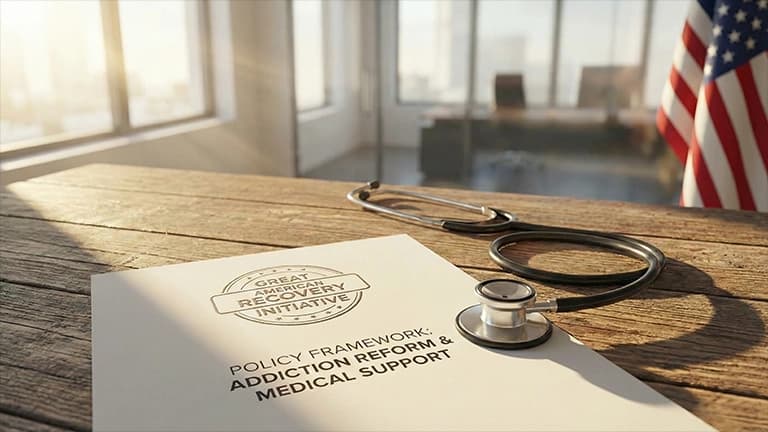
The Great American Recovery Initiative represents a major federal policy shift recognizing addiction as a chronic, treatable disease. Learn what this means for treatment access, funding, and insurance coverage.

Research shows that individuals with narcissistic traits are significantly more likely to develop addiction issues. Understanding how these conditions feed into each other is crucial for effective treatment.

Substance abuse and anger issues often co-occur, with approximately 21.5 million U.S. adults experiencing these conditions together. Integrated treatment approaches significantly outperform non-integrated care.

Addiction doesn't just affect the person struggling with substance use—it impacts every family member in profound ways. Understanding these effects is the first step toward healing together.

Stress affects 85% of people in rehabilitation and represents a primary relapse trigger for 60% of individuals during their first recovery year. Learn evidence-based strategies for managing stress effectively.

People with schizophrenia are three times more likely to develop substance use disorders than the general population. Integrated treatment addressing both conditions simultaneously produces the best outcomes.

Approximately 21.5 million adults in the United States have a co-occurring mental health and substance use disorder. Integrated treatment approaches show significantly better outcomes than sequential treatment.

Methamphetamine addiction affects 1.6 million Americans. Effective treatment requires specialized approaches including medical detox, the Matrix Model, and comprehensive aftercare support.

Luxury dual diagnosis centers maintain 3:1 staff-to-patient ratios and offer integrated treatment for both addiction and mental health conditions in premium settings.

Only 20% of people with substance use disorders receive professional treatment. Self-help methods provide vital support while working toward or alongside professional care.

Pharmaceutical interventions for gambling addiction work best when combined with behavioral therapy. Naltrexone can reduce gambling urges by up to 40% and cut gambling episodes by 50%.

Over 80,000 Americans die from opioid overdoses annually. Evidence-based treatment combining medication, behavioral therapy, and comprehensive support offers the best path to recovery.

Quality self-help books complement professional treatment with practical strategies and personal insights. Learn what to look for and where to find the best recovery literature.

3.9 million Americans misused prescription benzodiazepines in 2021. Recovery requires specialized medical care due to dangerous withdrawal risks, though successful treatment outcomes are achievable with professional support.

Medication-assisted treatment combines FDA-approved medications with therapy to minimize cravings and reduce relapse risk. Patients show 40% longer abstinence with integrated treatment.

Over 21 million Americans struggle with substance use disorders, yet only 10% receive treatment. Learn what rehab involves and how professional treatment supports lasting recovery.

Up to 60% of people with bipolar disorder struggle with substance abuse. Understanding whether substances trigger bipolar symptoms or reveal underlying conditions is crucial for effective treatment.

Ketamine addiction creates intense psychological dependence and serious health complications. Professional treatment addresses both the addiction and underlying mental health conditions.

Finding effective dual diagnosis treatment in San Diego requires careful evaluation of integrated programs. Learn what to look for and how to verify facility quality.

Holistic substance abuse treatment addresses addiction as a complex condition affecting mental health, physical wellness, and spiritual wellbeing simultaneously, producing significantly higher engagement rates.

Alcohol addiction devastates entire families. Learn evidence-based approaches to supporting your loved one while maintaining your own wellbeing and accessing professional resources.
Benzodiazepine addiction affects over 5.2 million Americans. Safe withdrawal requires medically supervised tapering due to life-threatening complications from abrupt cessation.
Ambien dependency affects millions who initially sought relief from insomnia. Treatment addresses both the addiction and underlying sleep disorders for lasting recovery.
Kratom addiction creates opioid-like dependence through its action on mu opioid receptors. Treatment addresses both withdrawal management and underlying conditions.
Codeine addiction affects millions as prescription opioid misuse rates climb 30% over the past decade. Evidence-based treatment combining medication and therapy produces the best outcomes.
Luxury rehabilitation centers combine evidence-based treatment with premium accommodations. Learn what to expect from staff ratios to costs and clinical approaches.
When addiction becomes life-threatening and a loved one refuses help, involuntary treatment may be an option. Learn about legal requirements, documentation, and what happens during commitment.
Prescription drug addiction often begins with legitimate medical treatment. Learn about the most dangerous categories, warning signs, and effective treatment approaches.
Luxury rehab combines evidence-based treatment with enhanced environments. Learn how staffing ratios, therapeutic modalities, and privacy standards distinguish premium care.
Women face unique challenges in alcohol addiction treatment due to biological differences, higher trauma rates, and co-occurring mental health conditions. Gender-specific programs produce better outcomes.
Methamphetamine creates powerful addiction through extended dopamine flooding. Evidence-based treatment combines medical support, behavioral therapies, and comprehensive aftercare.
Helping a loved one seek addiction treatment requires patience, compassion, and knowledge. Learn to recognize warning signs, communicate effectively, and navigate treatment options.
Sexual addiction (compulsive sexual behavior disorder) affects 3-6% of Americans. Online resources provide accessible, private support while professional intervention produces the best outcomes.
Natural treatments can support alcohol addiction recovery when combined with professional care. Learn about nutrition, mindfulness, and holistic therapies that complement evidence-based treatment.
Meditation produces significant therapeutic effects on substance use disorders. Learn specific techniques that reduce cravings, improve emotional regulation, and support lasting recovery.
Cannabis use disorder affects approximately 42% of adults aged 19-30 who used in the past year. Evidence-based treatment uses behavioral therapies since no FDA-approved medications exist specifically for cannabis.
Psychedelic-assisted therapy shows promising results for addiction treatment. Research indicates psilocybin may produce robust decreases in heavy drinking and 80% tobacco abstinence rates.
Amphetamine addiction affects millions, with 3.2% of 8th graders reporting past-year misuse. Treatment includes medical detox, behavioral therapies, and long-term support programs.
Crack cocaine produces intense but brief euphoria lasting 5-10 minutes, creating powerful addiction cycles. Treatment includes medical detox, inpatient rehab, and behavioral therapies.
Self-harm behaviors can become addictive patterns. DBT has been shown to significantly reduce suicide attempts and non-suicidal self-injury through skills-based treatment.
Medical detoxification is essential for safe withdrawal from many substances. Without proper treatment, delirium tremens can be fatal in up to 5% of patients.
Approximately 20% of people seeking addiction treatment require medical detox. Understanding the process helps reduce anxiety and prepare for this essential first step.
Patients with positive treatment environment perception were 2.5 times more likely to complete their program. Learn what to look for when choosing a rehab center.
Nearly 1 in 4 women experience at least one trauma. Trauma-informed care shifts from 'What's wrong with you?' to 'What happened to you?' for more effective addiction treatment.
60% of fentanyl-laced fake prescription pills contained potentially lethal doses. Polysubstance abuse dramatically increases overdose risk and complicates treatment.
Inpatient rehabilitation provides 24/7 support, therapeutic environments, and intensive therapy. Programs typically span 28-90 days with comprehensive care.
Understanding the three stages of relapse—emotional, mental, and physical—helps prevent return to substance use. Greater social support predicts lower substance use rates after treatment.
Prescription drug abuse often goes undetected. Learn to recognize physical changes, behavioral shifts, and drug-specific warning signs to help someone get treatment.
Approximately 21.5 million U.S. adults have co-occurring substance use and mental health issues. Dual diagnosis treatment addresses both conditions simultaneously for better outcomes.

MAT patients had 59% lower risk of dying from opioid overdose. Despite effectiveness, fewer than 1 in 5 people with opioid use disorder receive medication-assisted treatment.
Sober living provides a structured bridge between treatment and independent living. Peer support groups show promise in reducing substance use and improving treatment engagement.
Outpatient rehab allows young adults to receive treatment while maintaining daily responsibilities. Programs offer flexibility for work and school with digital integration and wellness components.
Holistic therapy treats the whole person, not just symptoms. An 8-week mindfulness meditation program showed significant reduction in cravings and substance use.
Alcohol-related liver disease kills over 22,000 Americans annually. Understanding long-term substance abuse effects emphasizes the importance of seeking treatment.
Alcohol and drug abuse costs the U.S. $246 billion annually. A well-planned intervention can motivate someone to accept treatment when other approaches have failed.
The Affordable Care Act classifies substance use disorder treatment as an essential health benefit. Learn what insurance typically covers and how to verify your benefits.
44% of adults use alcohol or drugs to manage stress. High-functioning addicts seek help 5-8 years later than others. Specialized professional treatment addresses unique needs.
Private detox programs offer enhanced amenities, shorter wait times, and lower staff-to-client ratios for personalized withdrawal management in comfortable settings.
12% of workers in management positions reported heavy alcohol use in the past month. Executive rehab programs provide confidential treatment with accommodations for continued work responsibilities.
Luxury rehab combines evidence-based treatment with premium amenities, personalized care, and tranquil environments for focused recovery in comfortable settings.
Approximately 21.5 million U.S. adults have co-occurring mental illness and substance use disorders. Prevention strategies focusing on risk factors and resilience can reduce substance abuse rates.
Children of parents with substance use disorders face up to 8x higher risk of developing addiction. Early intervention and open communication are essential for protecting adolescents.
The CRAFT method is 2-3 times more successful than traditional interventions. Explore memoirs, self-help guides, and professional books that support recovery journeys.
Comprehensive assessments increase treatment success rates by up to 60%. Social workers address substance use alongside underlying psychological, social, and economic factors.
Alcohol causes approximately 178,000 deaths annually in the U.S. Prevention through education, healthy coping skills, and supportive environments saves lives.
Medi-Cal covers substance use disorder treatment with no copayments. Learn what's covered, how to access services, and navigate the system for treatment in California.
Individuals maintaining abstinence 3+ months display heightened resilience levels. Draw inspiration from powerful quotes and celebrity recovery stories for your journey.
A drug rehab's mission statement reveals its core values and treatment philosophy. Understanding what to look for helps you choose a program aligned with your recovery needs.
Drug rehabilitation expenses may qualify as medical expenses for Canadian tax purposes. Understanding eligibility requirements helps maximize potential deductions.
Rebuilding relationships after rehab requires patience, honesty, and new skills. Learn strategies for repairing damaged connections and building healthy new relationships in recovery.
Relationship addiction involves compulsive patterns in romantic relationships. Treatment focuses on understanding attachment styles, building self-worth, and developing healthy relationship skills.
While often used interchangeably, substance abuse and addiction are distinct conditions. Understanding the difference helps identify when professional intervention is needed.

Nearly half of people with addiction also have a mental health disorder. Treating one without the other is a recipe for relapse. Learn why integrated dual diagnosis treatment is essential for lasting recovery.

Recognizing the signs of opioid addiction early can be life-saving. Learn about physical symptoms, behavioral changes, and when to seek professional help.

Nearly 50% of people with substance use disorders also have a mental health condition. Learn why treating both simultaneously is crucial for lasting recovery.
If you or a loved one is struggling with addiction, our compassionate team is available around the clock to help you start your recovery journey.