What Is the Great American Recovery Initiative and What It Means for Addiction Treatment
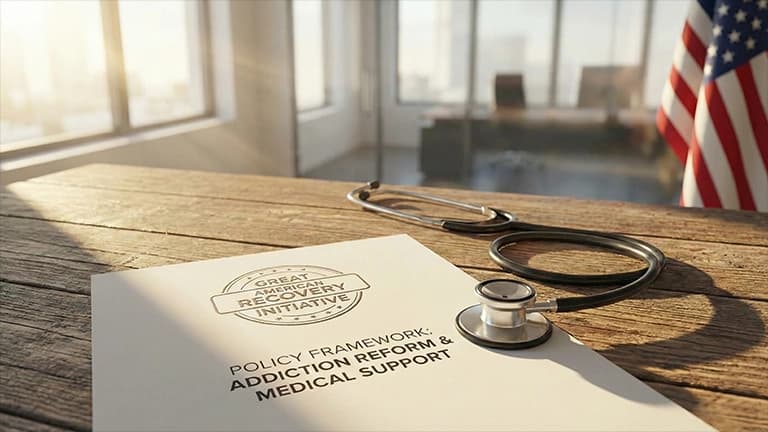
The January 2026 executive order recognizes addiction as a chronic treatable disease at the federal level, allocates $100M for the STREETS program, expands faith-based organization eligibility for grants, and pushes for broader Medicaid and Medicare coverage. For those considering treatment, this means more resources flowing into the system and reduced stigma at the policy level.
- 148.4 million Americans currently have substance use disorder according to federal data
- 295.6% of untreated adults with SUD reported they did not think they needed treatment
- 3$100 million allocated to the STREETS program targeting 8 major cities
- 4Faith-based organizations now eligible for federal addiction treatment grants
- 5Task force led by RFK Jr. and Kathryn Burgum to coordinate federal response
- 6Push for expanded Medicaid and Medicare coverage for addiction treatment services
On January 29, 2026, the federal government signed an executive order that could reshape how America approaches addiction treatment. The Great American Recovery Initiative represents a significant policy shift, formally recognizing substance use disorder as a chronic, treatable disease at the federal level.
For the millions of Americans struggling with addiction and their families weighing treatment options, understanding this initiative matters. It signals changes in funding, insurance coverage, and the broader framework through which the government addresses substance abuse.
The Scope of the Crisis
The executive order itself cites sobering statistics that underscore why federal action became necessary. According to the data referenced in the initiative:
- 48.4 million Americans currently have substance use disorder
- 95.6% of untreated adults with SUD reported they did not think they needed treatment
That second statistic reveals something critical about the treatment gap. The vast majority of people who need help do not seek it because they do not recognize the problem or believe treatment would benefit them. This perception barrier, often fueled by stigma and misinformation, keeps millions from accessing care that could save their lives.
The Great American Recovery Initiative aims to address both the practical barriers to treatment and the cultural attitudes that prevent people from seeking help.
Key Components of the Initiative
Addiction Recognized as a Chronic, Treatable Disease
Perhaps the most significant aspect of this executive order is its explicit recognition of addiction as a chronic, treatable medical condition. This language matters because it shapes how federal agencies allocate resources, design programs, and measure success.
When addiction is treated as a disease rather than a moral failing, several things change:
- Treatment becomes a healthcare priority rather than a criminal justice issue
- Research funding flows toward evidence-based medical interventions
- Insurance coverage arguments gain stronger legal and ethical footing
- Public health messaging shifts toward encouraging treatment-seeking behavior
This framework aligns with decades of scientific research and positions federal policy alongside the medical consensus that addiction responds to treatment just like other chronic conditions such as diabetes or hypertension.
The STREETS Program: $100 Million for Targeted Intervention
The initiative allocates $100 million to the STREETS program, which targets the intersection of homelessness and substance abuse in eight major U.S. cities. This program recognizes that addiction does not exist in isolation. Housing instability, mental health challenges, and substance use often reinforce each other in cycles that are difficult to break without coordinated intervention.
The STREETS program aims to provide:
- Integrated housing and treatment services
- Outreach teams connecting individuals to care
- Coordination between social services and addiction treatment providers
- Data collection to measure outcomes and refine approaches
For treatment providers and individuals seeking help, this represents new resources flowing into communities where addiction and homelessness overlap.
Faith-Based Organizations Now Eligible for Grants
The executive order expands eligibility for federal addiction treatment grants to include faith-based organizations. This opens new pathways for community-based recovery support, particularly in areas where faith communities serve as primary social infrastructure.
Many individuals find that faith-based recovery programs provide the spiritual component they need alongside clinical treatment. By making these organizations eligible for federal funding, the initiative expands the network of available support options.
This does not replace clinical, evidence-based treatment. Rather, it adds another layer to the recovery ecosystem, recognizing that lasting recovery often requires multiple forms of support.
Push for Expanded Medicaid and Medicare Coverage
One of the most practical components of the initiative for individuals considering treatment is the push for expanded insurance coverage. The executive order includes provisions encouraging broader Medicaid and Medicare coverage for addiction treatment services.
What this could mean for treatment access:
- More covered services: Residential treatment, intensive outpatient programs, and medication-assisted treatment may see expanded coverage
- Reduced out-of-pocket costs: Insurance expansion typically means lower financial barriers to entering treatment
- Longer treatment stays: When insurance covers more, individuals can access the full continuum of care rather than abbreviated programs
- Medication coverage: Medications like buprenorphine and naltrexone that support recovery may become more accessible
If you have been putting off treatment due to concerns about cost or insurance coverage, this policy direction suggests the landscape may be shifting in your favor. Verifying your current coverage is an important first step.
Federal policy direction is not the same as an individual benefit determination. Use our practical Great American Recovery Initiative rehab coverage guide to separate policy announcements from the network, authorization, level-of-care, and cost questions that still need to be verified with a health plan.
Task Force Leadership
The initiative establishes a task force to coordinate the federal response to addiction, led by RFK Jr. and Kathryn Burgum. This leadership structure signals that addiction treatment will receive attention at the highest levels of policy-making.
The task force is charged with:
- Coordinating efforts across federal agencies
- Identifying barriers to treatment access
- Recommending policy changes to improve outcomes
- Monitoring implementation of the initiative's components
Having dedicated leadership focused on addiction issues means the initiative is more likely to translate from policy document to practical change.
What This Means for Someone Considering Treatment
If you or a family member has been weighing whether to seek addiction treatment, this initiative provides context for why now may be an opportune time.
More Resources Entering the System
The $100 million STREETS allocation and expanded grant eligibility mean more treatment resources are flowing into communities. While these funds take time to deploy, they signal growing capacity within the treatment system.
Reduced Stigma at the Policy Level
When the federal government explicitly recognizes addiction as a chronic, treatable disease, it contributes to shifting public perception. This policy-level validation can make it easier for individuals to seek help without feeling judged.
The statistic that 95.6% of untreated adults did not think they needed help points to how deeply stigma affects treatment-seeking behavior. Federal recognition of addiction as a medical condition helps counter the narrative that addiction reflects personal weakness.
Insurance Coverage May Improve
The push for expanded Medicaid and Medicare coverage suggests that insurance barriers to treatment may decrease. Even if full implementation takes time, the policy direction favors broader access.
This makes reviewing your current insurance coverage especially important. You may already have benefits you have not explored. Amity's insurance verification tool can help you ask about current benefits without assuming that a future policy change has already taken effect.
How Amity Behavioral Health Aligns with This Framework
The Great American Recovery Initiative emphasizes evidence-based treatment, coordinated care, and treating addiction as a chronic medical condition. These principles align directly with how Amity Behavioral Health approaches recovery.
Amity's treatment programs are built on:
- Evidence-based clinical practices supported by research and outcomes data
- Individualized treatment plans recognizing that each person's path to recovery is unique
- Integrated care addressing co-occurring mental health conditions alongside addiction
- Continuum of care providing support from initial treatment through ongoing recovery
The initiative's recognition of addiction as a treatable disease reflects what we see every day in our work: people do recover when they receive appropriate, comprehensive treatment.
Taking the Next Step
Understanding federal policy is valuable, but recovery begins with individual action. If you have been considering treatment, the current policy environment supports your decision.
Insurance coverage is one of the most common concerns for people exploring treatment options. With the initiative's emphasis on expanded coverage, now is an ideal time to verify what your insurance will cover.
If you are looking for care in West Palm Beach, review the outpatient treatment options and the West Palm Beach facility. You can also verify your insurance coverage before speaking with admissions about the next appropriate step.
The Great American Recovery Initiative represents a shift in how America approaches addiction. More importantly, it represents an opportunity for individuals ready to begin their recovery journey to access the support they need.
Frequently Asked Questions
What is the Great American Recovery Initiative?
The Great American Recovery Initiative is an executive order signed on January 29, 2026 that establishes addiction as a chronic, treatable disease at the federal policy level. It creates new funding mechanisms, expands treatment access, and coordinates federal agencies to address the addiction crisis affecting 48.4 million Americans.
How does this initiative affect insurance coverage for addiction treatment?
The initiative includes provisions pushing for expanded Medicaid and Medicare coverage for addiction treatment services. This means more Americans may qualify for coverage of residential treatment, outpatient programs, and medication-assisted treatment options.
What is the STREETS program?
STREETS is a $100 million program targeting homelessness and substance abuse in eight major U.S. cities. It coordinates housing, treatment, and support services to address the intersection of addiction and homelessness.
Does this change how addiction is viewed at the federal level?
Yes. The executive order formally recognizes addiction as a chronic, treatable disease rather than a moral failing or criminal issue. This policy shift influences how federal agencies approach treatment funding, research priorities, and program development.
Sources & References
Read the sources referenced in this article.
- Executive Order: The Great American Recovery Initiative — The White House (2026-01-29)
Amity BH Clinical Team
Published by Amity Behavioral Health. This article provides general information and is not a substitute for individual professional advice.
Related Programs & Resources
Learn more about our treatment programs and how we can help you recover.
Related Articles
How to Overcome Amphetamine Addiction: Treatment Options
Amphetamine addiction affects millions, with 3.2% of 8th graders reporting past-year misuse. Treatment includes medical detox, behavioral therapies, and long-term support programs.
How to Overcome Crack Addiction: Treatment Options
Crack cocaine produces intense but brief euphoria lasting 5-10 minutes, creating powerful addiction cycles. Treatment includes medical detox, inpatient rehab, and behavioral therapies.
 Dual Diagnosis
Dual Diagnosis Treatment: Treating Mental Health and Addiction Together
Nearly 50% of people with substance use disorders also have a mental health condition. Learn why treating both simultaneously is crucial for lasting recovery.
Ready to Start Your Recovery?
Our compassionate team is available around the clock to answer your questions and help you take the first step toward a healthier life.
Confidential. Compassionate. Available when you need us.