Outpatient Addiction Treatment Program: What It Includes
Learn what an outpatient addiction treatment program includes, who it fits, and how to start care in West Palm Beach. Call Amity BH today.

Learn what an outpatient addiction treatment program includes, who it fits, and how to start care in West Palm Beach. Call Amity BH today.

The question 'Is addiction a disease?' shapes how millions of people understand their condition and whether they seek help. The scientific evidence is clear — and the answer matters more than you might think.

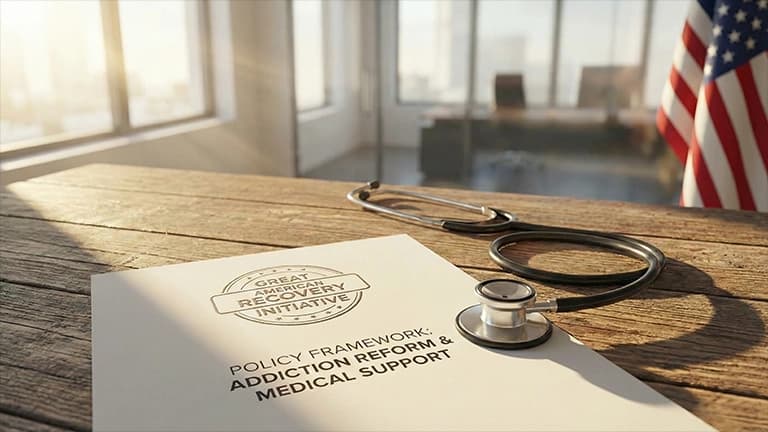
The Great American Recovery Initiative represents a major federal policy shift recognizing addiction as a chronic, treatable disease. Learn what this means for treatment access, funding, and insurance coverage.

Research shows that individuals with narcissistic traits are significantly more likely to develop addiction issues. Understanding how these conditions feed into each other is crucial for effective treatment.

Substance abuse and anger issues often co-occur, with approximately 21.5 million U.S. adults experiencing these conditions together. Integrated treatment approaches significantly outperform non-integrated care.

People with schizophrenia are three times more likely to develop substance use disorders than the general population. Integrated treatment addressing both conditions simultaneously produces the best outcomes.

Approximately 21.5 million adults in the United States have a co-occurring mental health and substance use disorder. Integrated treatment approaches show significantly better outcomes than sequential treatment.

Methamphetamine addiction affects 1.6 million Americans. Effective treatment requires specialized approaches including medical detox, the Matrix Model, and comprehensive aftercare support.

Over 80,000 Americans die from opioid overdoses annually. Evidence-based treatment combining medication, behavioral therapy, and comprehensive support offers the best path to recovery.

Over 21 million Americans struggle with substance use disorders, yet only 10% receive treatment. Learn what rehab involves and how professional treatment supports lasting recovery.

Ketamine addiction creates intense psychological dependence and serious health complications. Professional treatment addresses both the addiction and underlying mental health conditions.

Holistic substance abuse treatment addresses addiction as a complex condition affecting mental health, physical wellness, and spiritual wellbeing simultaneously, producing significantly higher engagement rates.
Kratom addiction creates opioid-like dependence through its action on mu opioid receptors. Treatment addresses both withdrawal management and underlying conditions.
Methamphetamine creates powerful addiction through extended dopamine flooding. Evidence-based treatment combines medical support, behavioral therapies, and comprehensive aftercare.
Cannabis use disorder affects approximately 42% of adults aged 19-30 who used in the past year. Evidence-based treatment uses behavioral therapies since no FDA-approved medications exist specifically for cannabis.
Amphetamine addiction affects millions, with 3.2% of 8th graders reporting past-year misuse. Treatment includes medical detox, behavioral therapies, and long-term support programs.
Crack cocaine produces intense but brief euphoria lasting 5-10 minutes, creating powerful addiction cycles. Treatment includes medical detox, inpatient rehab, and behavioral therapies.
Patients with positive treatment environment perception were 2.5 times more likely to complete their program. Learn what to look for when choosing a rehab center.
Nearly 1 in 4 women experience at least one trauma. Trauma-informed care shifts from 'What's wrong with you?' to 'What happened to you?' for more effective addiction treatment.
Inpatient rehabilitation provides 24/7 support, therapeutic environments, and intensive therapy. Programs typically span 28-90 days with comprehensive care.
Comprehensive assessments increase treatment success rates by up to 60%. Social workers address substance use alongside underlying psychological, social, and economic factors.

Nearly half of people with addiction also have a mental health disorder. Treating one without the other is a recipe for relapse. Learn why integrated dual diagnosis treatment is essential for lasting recovery.

Nearly 50% of people with substance use disorders also have a mental health condition. Learn why treating both simultaneously is crucial for lasting recovery.