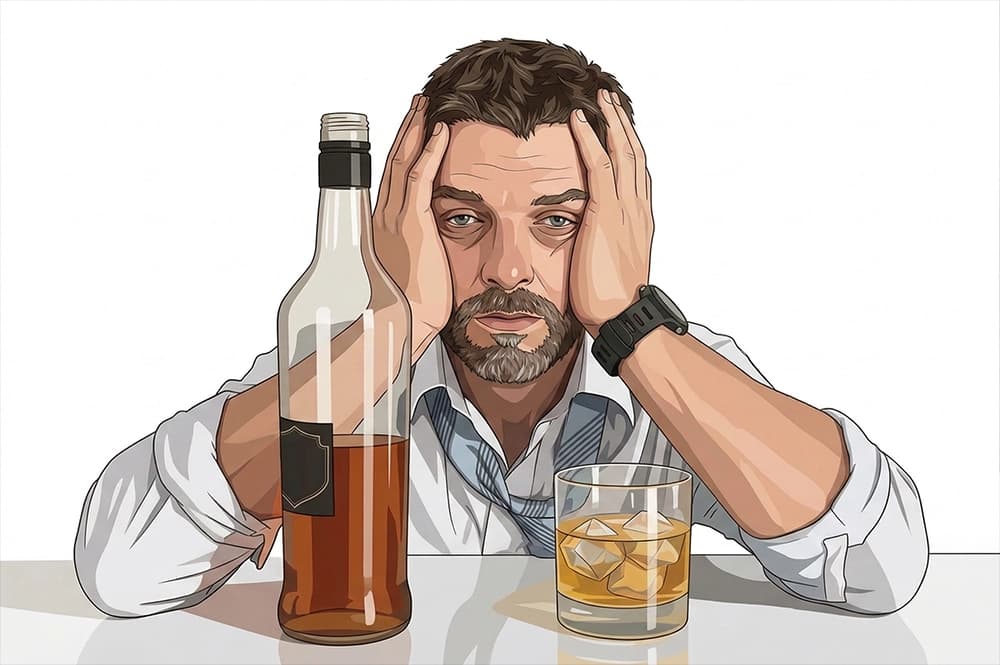
Alcohol treatment works best when the level of care matches current symptoms, safety needs, and daily responsibilities. A clear step-down plan from detox through outpatient care helps people stay engaged in recovery.
- 1Alcohol rehab levels of care are designed to match changing clinical needs over time.
- 2Medical detox is often the safest first step when withdrawal risk is moderate to severe.
- 3Residential, PHP, and IOP each provide different structure, therapy intensity, and daily support.
- 4The right placement depends on withdrawal risk, mental health, home stability, and relapse history.
- 5Progress is not linear, and moving between levels can be part of evidence-based care.
Choosing alcohol treatment is often less about finding a single "best" program and more about finding the right level of care for this moment. In West Palm Beach, many people delay treatment because they are unsure whether they need detox, residential care, or an outpatient option. That uncertainty can keep someone stuck, even when they are ready for change.
A clear care continuum helps remove guesswork. When clinicians match support intensity to current medical and behavioral needs, treatment can feel more manageable and practical. Understanding how levels of care fit together is the first step in making an informed decision.
Why do alcohol rehab levels of care exist?
Alcohol use disorder affects people differently. Two people may have similar drinking patterns but very different withdrawal risks, mental health symptoms, and home environments. Standardized levels of care are used so treatment can be scaled to real clinical needs rather than a one-size-fits-all model.
Common factors that influence placement include:
- Withdrawal history, including seizures, severe tremors, or delirium risk
- Current physical health, such as liver concerns or cardiovascular conditions
- Mental health symptoms, including anxiety, depression, or trauma-related distress
- Relapse pattern, especially recent return to use after prior treatment
- Recovery environment, including household stability and day-to-day triggers
When these variables are reviewed together, the care team can recommend a starting point that balances safety with daily life demands.
When is medical detox the safest starting point?
For many people, detox is the entry point because abrupt alcohol cessation can produce medically significant withdrawal symptoms. SAMHSA guidance on detoxification emphasizes that monitoring is critical when symptoms could escalate quickly. SAMHSA TIP 45
Medical detox typically includes:
- 24-hour observation during higher-risk withdrawal periods
- Medication support to reduce acute withdrawal discomfort and complications
- Hydration, nutrition, and sleep stabilization
- Transition planning into the next treatment level before discharge
Detox is essential for stabilization, but it is not complete treatment by itself. After acute withdrawal improves, continuing care is needed to address cravings, coping patterns, and relapse risk. Programs that combine detox planning with alcohol addiction treatment transitions tend to provide better continuity than disconnected referrals.
What does residential alcohol treatment provide?
Residential care offers a structured setting with round-the-clock support. It is often recommended when relapse risk is high, when home conditions are unstable, or when co-occurring mental health symptoms are difficult to manage in less structured settings.
A typical residential phase includes:
- Daily individual and group therapy
- Behavioral interventions targeting triggers and thought patterns
- Psychiatric evaluation and medication coordination when needed
- Family communication planning and discharge preparation
Residential treatment can be especially helpful right after detox services when a person still needs close structure to build early recovery momentum. It also creates space to practice coping skills before returning to full daily responsibilities.
How are PHP and IOP different from each other?
Day-based programs are often the next step after residential treatment or a direct starting point for people who are medically stable. The key difference is intensity.
Partial Hospitalization Program (PHP)
PHP generally involves most weekdays with several therapy hours per day. It provides high clinical contact while allowing some flexibility compared with residential settings. PHP can be a good fit when someone needs strong daily structure but no longer requires overnight monitoring.
Intensive Outpatient Program (IOP)
IOP usually provides fewer weekly hours, often across morning or evening blocks. It supports people who are stable enough to live at home while continuing consistent therapy, relapse prevention planning, and accountability.
Why this distinction matters
Moving from PHP to IOP is not "graduating" in a simplistic sense. It reflects a clinical judgment that support can be reduced while progress remains stable. If symptoms worsen, the plan can be adjusted upward again without framing that change as failure.
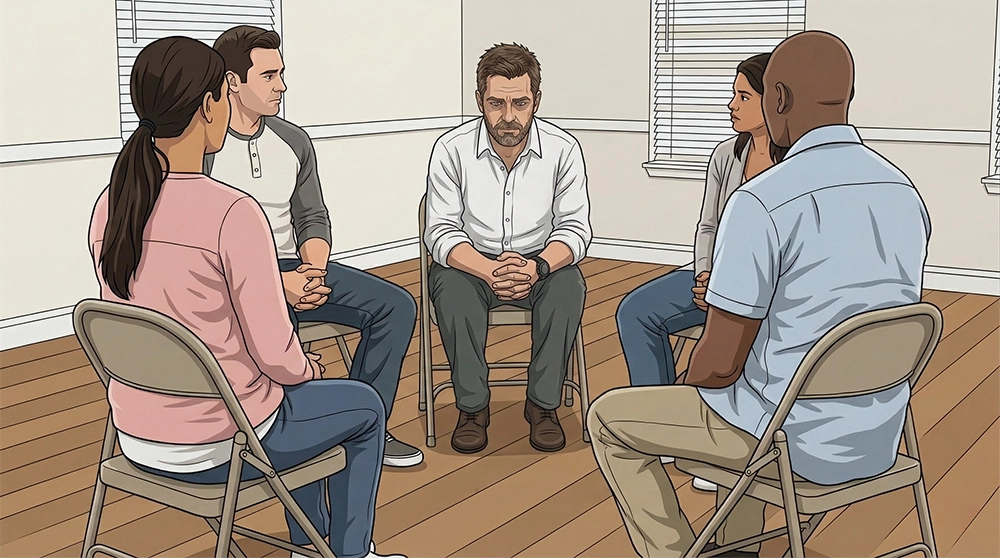
How do co-occurring mental health needs affect placement?
Alcohol use disorder frequently overlaps with depression, anxiety, trauma symptoms, or sleep disruption. SAMHSA notes that co-occurring conditions are common and should be treated in an integrated way rather than in separate silos. SAMHSA co-occurring disorders overview
When mental health needs are significant, the treatment team may recommend a higher level of care at first to improve stabilization and engagement. This can include:
- More frequent psychiatric follow-up
- Coordinated medication management
- Skills for emotional regulation and distress tolerance
- Structured relapse prevention built around mental health triggers
Integrated planning is also important for family communication, work planning, and return-to-home routines. If these areas are not addressed early, progress made in treatment can be harder to maintain after discharge.
What does a practical step-down plan look like?
A strong alcohol treatment plan is not only about where someone starts. It also maps what happens next, with expected transitions and contingency planning.
A practical progression may look like this:
- Stabilization: Detox and immediate medical/clinical monitoring
- Early recovery structure: Residential or PHP depending on risk and support needs
- Skill consolidation: IOP with targeted therapy and relapse prevention
- Longer-term maintenance: Outpatient therapy, peer support, and routine check-ins
NIAAA emphasizes that treatment engagement improves when care is matched and adjusted over time. NIAAA treatment guidance
This step-down model also helps families set realistic expectations. Recovery often involves plan adjustments, and those changes should be interpreted as responsive care rather than inconsistency.
What questions should you ask before choosing a program?
Before starting treatment, ask direct questions about clinical fit and continuity:
- How is withdrawal risk assessed before placement?
- Which levels of care are available in one coordinated system?
- How are mental health concerns incorporated into the treatment plan?
- What does communication look like between admissions, clinicians, and family?
- How is insurance reviewed before treatment begins?
Clear answers help you compare options based on actual care delivery, not only marketing language. They also reduce the chance of entering a program that cannot support the next clinical step.
If you are comparing providers in South Florida, prioritize programs that can explain how they decide between detox, residential, PHP, and IOP for your specific profile, and how they revise that plan when needs change.
How does insurance and admissions planning affect the right level of care?
Level-of-care decisions are clinical first, but admissions logistics still shape how quickly someone can start. Delays around coverage details, prior authorization, or missing paperwork can create gaps between motivation and treatment entry. A good admissions process reduces that gap by pairing clinical recommendations with practical next steps on the same call.
When discussing options, ask specifically:
- Which levels of care are in-network for your plan
- Whether authorizations are required for detox, residential, or outpatient phases
- What documentation is needed before admission
- How transitions are handled if clinical needs change during treatment
This planning helps avoid interruptions after admission. It also makes it easier for families to understand why a recommendation may shift from outpatient to higher support, or vice versa, as symptoms evolve.
In many cases, people do best when admissions and clinical teams coordinate closely from day one. That coordination supports faster placement, clearer expectations, and fewer handoff problems as someone moves through detox and ongoing alcohol treatment.
What if the first placement is not the right fit?
Initial recommendations are based on current information, but treatment teams expect new details to emerge during the first days of care. If withdrawal symptoms are more intense than expected, or if outpatient support proves insufficient, stepping up quickly can protect safety and continuity. If stabilization improves faster than expected, a lower-intensity plan may become appropriate sooner.
The right level of care is the one that matches present risk and functioning, even when that means changing the original plan.
The next step is a direct assessment conversation. Call Amity Behavioral Health at (888) 833-3228 to discuss symptoms and level-of-care options, or verify your insurance to review coverage before admission.
This content is for informational purposes only and does not constitute medical advice. Please consult a qualified healthcare professional for personalized guidance.
Frequently Asked Questions
What are the main alcohol rehab levels of care?
Most alcohol treatment plans use a continuum that may include medical detox, residential treatment, partial hospitalization, and intensive outpatient care. Each level provides a different amount of medical oversight and therapy time. Placement is based on safety, symptom severity, and daily functioning.
How do I know if I need detox first?
A clinical assessment looks at your drinking pattern, prior withdrawal symptoms, medical history, and current vital signs. If there is risk of severe withdrawal, detox with medical monitoring is usually recommended before lower-acuity treatment. This approach helps reduce preventable complications and improves engagement in the next phase of care.
Is residential treatment always necessary after detox?
Not always. Some people benefit from residential care because they need 24-hour structure and a low-trigger environment, while others can transition to day treatment or outpatient levels safely. The right choice depends on relapse risk, co-occurring conditions, and support at home.
Can levels of care change during treatment?
Yes. Treatment plans are adjusted as symptoms, stability, and recovery skills change. Stepping up to more support during high-risk periods or stepping down after improvement is a normal part of individualized care, not a setback.
How can I start alcohol treatment at Amity Behavioral Health?
Call Amity Behavioral Health at (888) 833-3228 to discuss symptoms, treatment options, and insurance verification. The admissions team can help coordinate an assessment and recommend a level of care that fits your current needs.
Sources & References
This article is based on peer-reviewed research and authoritative medical sources.
- Treatment for Alcohol Problems: Finding and Getting Help — NIAAA (2025)
- TIP 45: Detoxification and Substance Abuse Treatment — SAMHSA (2015)
- Substance Use and Co-Occurring Mental Disorders — SAMHSA (2024)
Amity BH Clinical Team
Amity BH Clinical Team is part of the clinical team at Amity Behavioral Health, dedicated to providing evidence-based treatment and compassionate care for individuals struggling with addiction and mental health challenges.
Related Programs & Resources
Learn more about our treatment programs and how we can help you recover.
Related Articles
 Alcohol Recovery Planning
Alcohol Withdrawal Timeline and Why Medical Support Matters
Understand the alcohol withdrawal timeline, common symptoms by stage, and why medical support reduces risk. Call Amity BH today.
 Dual Diagnosis Deep Dives
Anxiety and Substance Use Disorder Treatment
Learn how anxiety and substance use disorder treatment addresses both conditions together in West Palm Beach. Call Amity BH today.
 Substance Use
How to Overcome Benzo Addiction: Treatment Options
3.9 million Americans misused prescription benzodiazepines in 2021. Recovery requires specialized medical care due to dangerous withdrawal risks, though successful treatment outcomes are achievable with professional support.
Ready to Start Your Recovery?
Our compassionate team is available around the clock to answer your questions and help you take the first step toward a healthier life.
Confidential. Compassionate. Available when you need us.