Alcohol Withdrawal Timeline and Why Medical Support Matters

Alcohol withdrawal follows a general timeline that begins hours after the last drink and peaks within 24 to 72 hours. Medical support during this period reduces the risk of serious complications like seizures and delirium tremens.
- 1Alcohol withdrawal symptoms can begin within 6 to 24 hours after the last drink and may escalate quickly.
- 2The most dangerous period is typically 24 to 72 hours after cessation, when seizure and delirium tremens risk is highest.
- 3Medical detox provides structured monitoring, medication support, and rapid response to complications.
- 4Individual factors such as drinking history, prior withdrawals, and co-occurring conditions shape the severity and duration of symptoms.
- 5Completing detox is an important first step, but ongoing treatment for alcohol use disorder significantly improves long-term outcomes.
Someone who has been drinking heavily for months may not expect withdrawal symptoms to start within hours of their last drink. But for many people with significant alcohol dependence, that is exactly what happens. In West Palm Beach and across South Florida, emergency departments regularly see individuals whose withdrawal symptoms escalated faster than they or their families anticipated. Understanding the alcohol withdrawal timeline is not about memorizing a chart. It is about knowing when the window for safe intervention is closing and why waiting to "see how it goes" can carry real medical risk.
Alcohol withdrawal occurs because the central nervous system adapts to the constant presence of alcohol over time. When alcohol is suddenly reduced or removed, the nervous system becomes overactive, producing a range of symptoms that can range from mild discomfort to life-threatening complications. The severity depends on individual factors, but the pattern follows a recognizable progression that medical teams use to guide monitoring and treatment decisions.
What Causes Alcohol Withdrawal?
Alcohol enhances the effect of GABA, an inhibitory neurotransmitter, while suppressing glutamate, an excitatory one. Over time, the brain compensates by downregulating GABA activity and upregulating glutamate pathways. When alcohol is suddenly removed, the brain is left in a hyperexcitable state. This neurochemical imbalance is what drives the symptoms of withdrawal, from mild anxiety and tremor to seizures and delirium tremens.
The StatPearls review on alcohol withdrawal syndrome notes that this process can begin within hours and that the severity of symptoms correlates with the degree and duration of alcohol dependence (NCBI Bookshelf). This is why clinical assessment before or at the onset of withdrawal is so important — it helps predict which individuals are at highest risk.
What Does the First 6 to 24 Hours Look Like?
The earliest symptoms of alcohol withdrawal tend to appear within 6 to 24 hours after the last drink. During this phase, a person may experience:
- Anxiety and restlessness
- Tremor, particularly in the hands
- Sweating and clammy skin
- Nausea or vomiting
- Elevated heart rate and blood pressure
- Headache and difficulty sleeping
These symptoms can seem manageable at first, which sometimes leads people to believe they can handle withdrawal without medical help. However, this early phase is not a reliable indicator of what comes next. Symptoms can escalate significantly within the following 24 to 48 hours, especially for people with heavy or prolonged drinking histories.
A clinical evaluation during this window helps determine whether a person can be safely monitored on an outpatient basis or whether they need a supervised detox setting with continuous medical oversight.
Why Are Days 1 to 3 the Most Critical?
For most people experiencing alcohol withdrawal, the period between 24 and 72 hours after their last drink represents the highest-risk window. This is when symptoms typically peak and when the most serious complications can emerge.
Seizure Risk
Alcohol withdrawal seizures most commonly occur between 12 and 48 hours after cessation, though they can happen later. These are generalized tonic-clonic seizures and can occur without warning, even in people who have never had a seizure before. A prior history of withdrawal seizures significantly increases the likelihood of recurrence.
Delirium Tremens
Delirium tremens (DTs) is the most severe form of alcohol withdrawal and typically appears 48 to 72 hours after the last drink, though onset can be delayed. Symptoms include severe confusion, disorientation, hallucinations, agitation, fever, and cardiovascular instability. DTs require emergency medical management and can be fatal without treatment. SAMHSA's TIP 45 emphasizes that individuals with prior DTs or multiple previous withdrawals should receive the highest level of monitoring during detox (SAMHSA).
Other Peak Symptoms
During this critical window, a person may also experience worsening tremor, profuse sweating, rapid heartbeat, severe nausea, hallucinations (visual, auditory, or tactile), and extreme agitation. These symptoms demand close clinical monitoring and prompt medication intervention when indicated.
What Happens During Days 4 to 7?
By the fourth day, many people begin to see a reduction in the most acute symptoms. Tremor, nausea, and cardiovascular instability typically start to ease. However, this period is not without challenges.
Common lingering symptoms during days 4 to 7 include:
- Sleep disruption — difficulty falling or staying asleep
- Anxiety and irritability — heightened emotional reactivity
- Fatigue — physical exhaustion from the withdrawal process
- Low appetite — gradual return of normal eating patterns
- Mood instability — fluctuating emotions that may feel unpredictable
Improvement during this phase is often uneven. A person may feel significantly better during the day and then have a difficult night. This is normal but can be discouraging without proper support and clinical reassurance. Continued monitoring helps distinguish between expected fluctuations and signs that require further intervention.
What Factors Affect Withdrawal Severity?
Not everyone who stops drinking will experience severe withdrawal. Several factors influence where a person falls on the spectrum.
- Duration and quantity of alcohol use — Heavier, longer use patterns generally produce more intense withdrawal.
- Prior withdrawal history — Each successive withdrawal episode tends to be more severe than the previous one, a phenomenon known as kindling.
- Co-occurring medical conditions — Liver disease, cardiovascular problems, and neurological conditions can complicate withdrawal.
- Co-occurring mental health conditions — Anxiety disorders, depression, and trauma histories can amplify withdrawal symptoms and emotional distress.
- Age — Older adults may experience more prolonged or complicated withdrawal courses.
- Use of other substances — Concurrent use of benzodiazepines, opioids, or other substances adds complexity to the withdrawal process.
A thorough clinical assessment considers all of these factors when determining the appropriate level of care. At Amity Behavioral Health, this evaluation is part of the intake process and directly informs the treatment plan.
Why Does Medical Support During Withdrawal Matter?
The primary reason medical support matters is safety. Alcohol withdrawal is one of the few substance withdrawal syndromes that can be directly fatal. Seizures, delirium tremens, cardiac arrhythmias, and severe dehydration are all potential complications that require medical intervention.
Medication Management
In a supervised detox setting, clinicians use benzodiazepines as the first-line treatment for managing withdrawal symptoms and preventing seizures. Dosing is typically guided by symptom severity, often using a standardized assessment scale. Additional medications may be used to manage nausea, sleep disruption, and vitamin deficiencies — particularly thiamine (vitamin B1), which is critical for preventing Wernicke-Korsakoff syndrome.
Continuous Monitoring
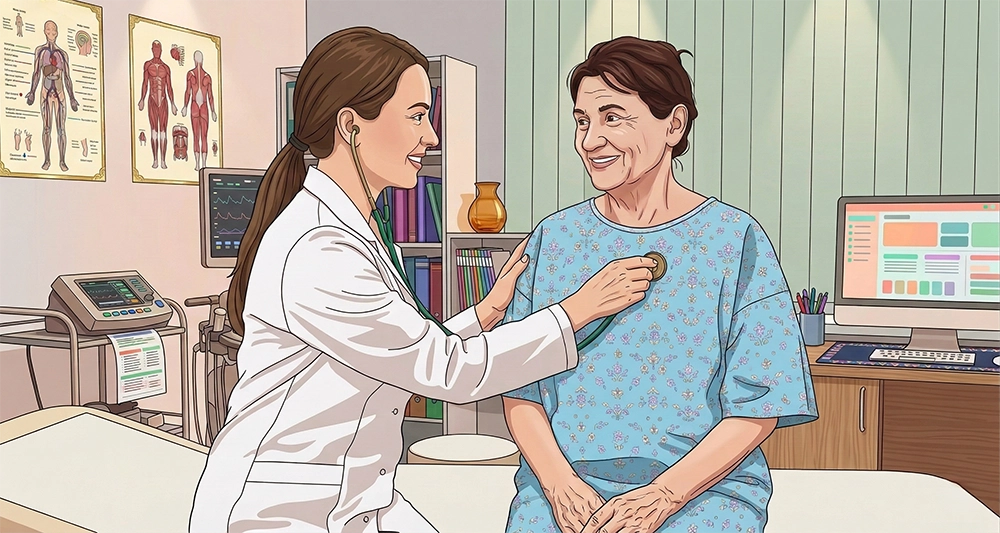
Medical detox involves regular vital sign checks, symptom assessments, and fluid and nutrition monitoring. This allows the clinical team to detect changes early and adjust the treatment plan before symptoms become dangerous. The NIAAA recommends that people with moderate to severe alcohol dependence receive supervised detox to reduce complication risk (NIAAA).
Structured Environment
Beyond medications and monitoring, a supervised setting provides a controlled environment free from access to alcohol. This removes the temptation to drink in response to withdrawal discomfort, which is a common reason home detox attempts fail. It also provides immediate access to clinical staff if symptoms change suddenly.
What Comes After the Acute Withdrawal Phase?
Completing detox is an essential first step, but it does not treat the underlying alcohol use disorder. Without ongoing treatment, the risk of returning to use remains high. Detox addresses the physical dependence; treatment addresses the behavioral, psychological, and social factors that sustain the disorder.
After the acute withdrawal phase stabilizes, treatment planning typically includes:
- Individual therapy — cognitive-behavioral therapy and motivational approaches to address triggers and build coping skills
- Group therapy — structured peer support and skill-building sessions
- Medication evaluation — assessment for FDA-approved medications like naltrexone or acamprosate that support ongoing recovery
- Psychiatric assessment — screening and treatment for co-occurring mental health conditions
- Relapse prevention planning — practical strategies for maintaining progress in daily life
The transition from detox to ongoing treatment is a critical juncture. Programs that provide a seamless step-down from detox services to structured outpatient care help reduce the gap during which relapse risk is highest.
How to Know When Professional Help Is Needed
Deciding whether to seek professional help for alcohol withdrawal can be difficult, especially when symptoms seem mild at first. However, several indicators suggest that medical evaluation is warranted:
- Drinking heavily every day for weeks, months, or longer
- Previous withdrawal episodes, especially with seizures or severe symptoms
- Significant medical conditions alongside alcohol dependence
- Inability to stop drinking despite wanting to
- Tremor, sweating, or anxiety within hours of the last drink
- Family concern about the person's safety during withdrawal
When in doubt, an assessment can help clarify the appropriate level of care. It is always safer to be evaluated and learn that outpatient monitoring is sufficient than to assume home management is safe when it is not.
Getting Started with Support in West Palm Beach
Alcohol withdrawal does not have to be managed alone, and the risks of doing so are real. Whether you are recognizing symptoms in yourself or watching a family member struggle, reaching out for a clinical assessment is the most practical next step.
Amity Behavioral Health in West Palm Beach provides medically supervised detox and comprehensive treatment for alcohol use disorder. The clinical team evaluates each person's history, current symptoms, and risk factors to build an individualized plan that prioritizes safety and recovery. Call (888) 833-3228 to speak with an admissions counselor, or verify your insurance online to get started.
This content is for informational purposes only and does not constitute medical advice. Please consult a qualified healthcare professional for personalized guidance.
Frequently Asked Questions
How long does alcohol withdrawal last?
Acute alcohol withdrawal symptoms typically begin within 6 to 24 hours after the last drink and can last 5 to 7 days. The most intense period is usually between 24 and 72 hours. Some people experience prolonged symptoms like sleep disruption and anxiety that persist for weeks.
What are the most dangerous symptoms of alcohol withdrawal?
The most serious complications include generalized seizures, delirium tremens, severe autonomic instability, and hallucinations. These symptoms require urgent medical evaluation. People with a history of heavy prolonged drinking or prior complicated withdrawals are at higher risk.
Can you detox from alcohol at home safely?
Mild withdrawal may be manageable with outpatient medical guidance, but home detox is not safe for everyone. Anyone with a history of seizures, delirium tremens, heavy daily drinking, or co-occurring medical conditions should be evaluated for supervised medical detox.
What medications are used during alcohol detox?
Benzodiazepines are the most commonly used medications for managing alcohol withdrawal symptoms and reducing seizure risk. Additional medications may address nausea, insomnia, or nutritional deficiencies. A clinical team selects medications based on symptom severity and medical history.
Where can I get help for alcohol withdrawal in West Palm Beach?
Amity Behavioral Health in West Palm Beach provides medically supervised detox and individualized treatment for alcohol use disorder. Call (888) 833-3228 to speak with an admissions counselor about your situation and next steps.
Sources & References
This article is based on peer-reviewed research and authoritative medical sources.
- Alcohol Withdrawal Syndrome — NCBI Bookshelf (StatPearls) (2024)
- Treatment for Alcohol Problems: Finding and Getting Help — National Institute on Alcohol Abuse and Alcoholism (NIAAA) (2024)
- TIP 45: Detoxification and Substance Abuse Treatment — SAMHSA (2015)
Amity BH Clinical Team
Amity BH Clinical Team is part of the clinical team at Amity Behavioral Health, dedicated to providing evidence-based treatment and compassionate care for individuals struggling with addiction and mental health challenges.
Related Programs & Resources
Learn more about our treatment programs and how we can help you recover.
Related Articles
 Alcohol Recovery Planning
Alcohol Rehab Levels of Care Explained
Understand alcohol rehab levels of care and how to choose the right support in West Palm Beach. Call Amity BH today.
 Dual Diagnosis Deep Dives
Anxiety and Substance Use Disorder Treatment
Learn how anxiety and substance use disorder treatment addresses both conditions together in West Palm Beach. Call Amity BH today.
 Dual Diagnosis Deep Dives
Dual Diagnosis Treatment for Depression and SUD
Learn how dual diagnosis treatment for depression integrates mood care with addiction recovery in West Palm Beach. Call for a confidential assessment.
Ready to Start Your Recovery?
Our compassionate team is available around the clock to answer your questions and help you take the first step toward a healthier life.
Confidential. Compassionate. Available when you need us.