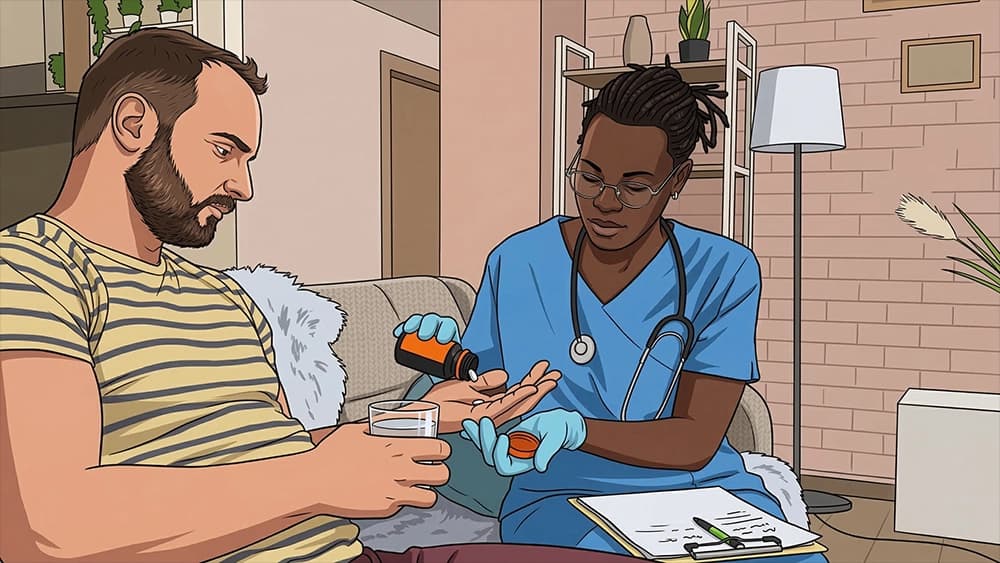
Medication management in dual diagnosis treatment coordinates psychiatric medications with addiction recovery to address both conditions safely. A collaborative care team adjusts medications throughout treatment to support lasting stability.
- 1Dual diagnosis treatment requires careful coordination between psychiatric medication and addiction recovery plans.
- 2Not all psychiatric medications carry a risk of misuse, and many are essential for stabilizing mental health during recovery.
- 3A multidisciplinary team of psychiatrists, therapists, and addiction specialists collaborates on every medication decision.
- 4Medication management is an ongoing process with regular monitoring, dosage adjustments, and open communication.
- 5Integrated treatment that addresses both mental health and substance use simultaneously leads to stronger long-term outcomes.
When someone is living with both a mental health condition and a substance use disorder, treatment becomes more nuanced. One of the most important pieces of that care is medication management in dual diagnosis treatment — the process of selecting, prescribing, and monitoring psychiatric medications alongside addiction recovery support. Understanding how these two areas of care work together can ease concerns and help people feel more confident about seeking help.
Why Does Medication Management Matter in Dual Diagnosis Care?
Mental health conditions such as depression, anxiety, bipolar disorder, and PTSD frequently co-occur with substance use disorders. Research from the Substance Abuse and Mental Health Services Administration (SAMHSA) shows that roughly half of people who experience a substance use disorder also experience a mental health condition at some point in their lives.
When only one condition is treated, the other often worsens. For example, a person receiving addiction treatment who has untreated depression may struggle with persistent low mood, low motivation, and difficulty engaging in therapy. Conversely, someone managing anxiety with medication but not addressing problematic substance use may find that their substance use undermines their mental health progress.
Medication management bridges this gap. It ensures that psychiatric medications support emotional stability without interfering with addiction recovery — and that addiction treatment does not overlook underlying mental health needs. In a dual diagnosis treatment program, these two tracks are woven together from the start.
What Does the Medication Management Process Look Like?
Comprehensive Assessment
Every effective medication plan begins with a thorough evaluation. During intake, a psychiatrist or prescribing provider reviews:
- Current and past mental health diagnoses
- Substance use history, including types of substances, duration, and patterns
- Previous medications, including what has worked, what has not, and any adverse reactions
- Family medical and mental health history
- Current physical health and any co-occurring medical conditions
This detailed picture allows the treatment team to make informed decisions rather than relying on a one-size-fits-all approach.
Medication Selection
Choosing the right medication in a dual diagnosis setting requires special consideration. Providers look for options that:
- Effectively address the person's psychiatric symptoms
- Carry a lower risk of misuse or diversion
- Do not produce dangerous interactions with substances the person may have recently used
- Align with any FDA-approved medications for the person's specific substance use disorder
For instance, a provider may choose a non-addictive antidepressant like an SSRI for someone with depression and an alcohol use disorder, while also introducing naltrexone to reduce alcohol cravings. Each medication is selected with both conditions in mind.
Ongoing Monitoring and Adjustment
Medication management is not a single event — it is a continuing conversation. Throughout drug addiction treatment, the care team monitors:
- Symptom changes in both mental health and substance use
- Side effects and how they affect daily functioning and recovery engagement
- Lab work and vital signs as needed
- Therapeutic progress in individual and group sessions
Dosages may be increased, decreased, or medications may be changed entirely based on how a person responds. This flexibility is one of the strengths of an integrated treatment model.
Who Is Involved in the Medication Management Team?
Dual diagnosis medication management works best when it involves a multidisciplinary team. At most treatment centers, this includes:
- Psychiatrists or psychiatric nurse practitioners who prescribe and adjust medications
- Licensed therapists who provide psychotherapy and observe behavioral changes
- Addiction counselors who track recovery progress and flag concerns
- Medical staff who handle physical health monitoring
- Case managers who coordinate care and aftercare planning
This team meets regularly to discuss each person's progress. When everyone is aligned, medication decisions reflect the full scope of a person's needs rather than just one piece of the puzzle.
Are Psychiatric Medications Safe During Recovery?
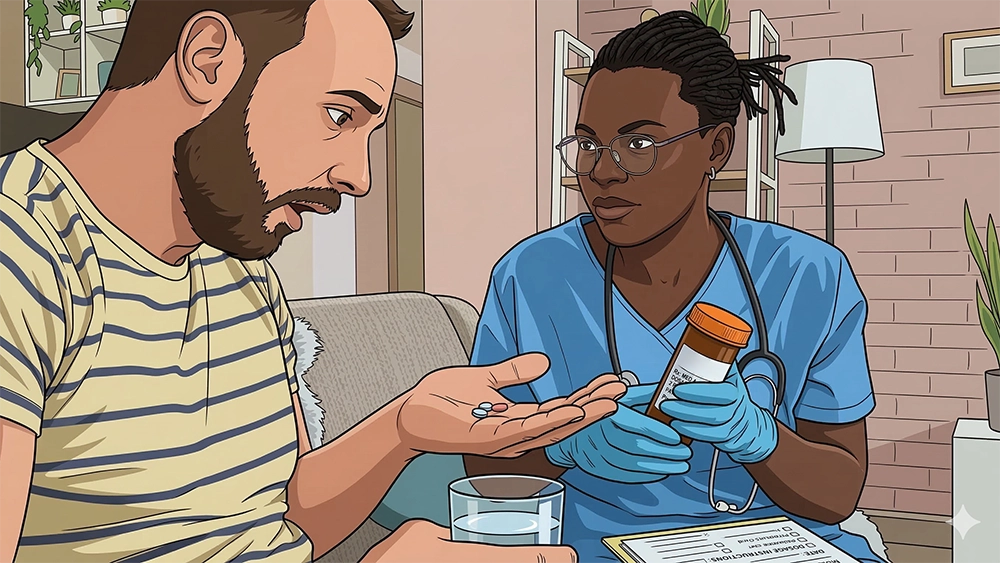
This is one of the most common concerns people have, and it is completely understandable. The short answer is yes — when prescribed and supervised by qualified professionals, psychiatric medications are safe and often essential during recovery.
It is important to distinguish between physical dependence and addiction. Some medications, such as certain antidepressants, may cause withdrawal symptoms if stopped abruptly, but that does not mean a person is addicted to them. The treatment team manages any necessary tapering carefully and transparently.
Providers in dual diagnosis settings are specifically trained to:
- Avoid prescribing medications with high misuse potential when safer alternatives exist
- Educate clients about what their medications do and why they are part of the plan
- Encourage open dialogue so that concerns about medication are addressed promptly
- Adjust the plan as the person moves through different phases of recovery
Withholding necessary psychiatric medication out of fear can be more harmful than the medication itself. Untreated mental health symptoms are a significant factor in relapse, and stabilizing those symptoms with appropriate medication supports stronger recovery outcomes.
How Do Medications and Therapy Work Together?
Medication alone is rarely sufficient for lasting recovery. Similarly, therapy without medication support may not be enough for someone whose mental health symptoms are severe or destabilizing. The most effective approach combines both — and that integrated model is at the heart of psychiatric medication and addiction treatment coordination.
Medication creates a stable foundation by reducing the intensity of symptoms like panic attacks, mood swings, intrusive thoughts, or persistent sadness. With that stability, a person can engage more fully in:
- Cognitive-behavioral therapy (CBT) to identify and change unhelpful thought patterns
- Dialectical behavior therapy (DBT) to build emotional regulation skills
- Trauma-informed care to process underlying experiences safely
- Group therapy to develop peer support and accountability
As therapy skills strengthen, some people find they can gradually reduce their medication with their provider's guidance. Others benefit from longer-term prescriptions. Neither path is better or worse — what matters is that the plan serves the individual.
The Role of Medication in Relapse Prevention
Beyond stabilizing symptoms during active treatment, medication management plays a meaningful role in relapse prevention. When mental health symptoms are well managed, a person is better equipped to use the coping strategies they learn in therapy. They can recognize triggers more clearly, respond to stress without turning to substances, and stay engaged with their support network.
Some medications are specifically designed to reduce cravings or block the rewarding effects of certain substances. When these are combined with psychiatric medication for conditions like depression or anxiety, the overall treatment plan addresses both the psychological and neurological dimensions of recovery. This comprehensive approach reflects what the National Institute on Drug Abuse (NIDA) describes as best practice for treating co-occurring disorders.
What Should You Look for in a Dual Diagnosis Program?
Not every treatment program offers true integrated care. When evaluating options, consider whether the program provides:
- On-site psychiatric services with providers experienced in co-occurring disorders
- Individualized treatment plans that address both mental health and substance use from day one
- Regular medication reviews built into the treatment schedule
- Communication between all members of the care team
- Aftercare planning that includes medication management beyond the initial treatment stay
A program that treats addiction and mental health as separate issues — or addresses one only after the other — may leave gaps that put long-term recovery at risk.
Taking the Next Step Toward Integrated Care
If you or someone you care about is navigating both a mental health condition and a substance use disorder, medication management in dual diagnosis treatment can make a meaningful difference. Having the right support team coordinate every aspect of care helps build a stronger, more sustainable path forward.
Amity BH provides integrated dual diagnosis treatment with dedicated psychiatric support, individualized medication plans, and a compassionate clinical team. Call (888) 833-3228 today to speak with our admissions team, or verify your insurance online to get started.
This content is for informational purposes only and does not constitute medical advice. Please consult a qualified healthcare professional for personalized guidance.
Frequently Asked Questions
Is it safe to take psychiatric medication during addiction treatment?
Yes. When prescribed and monitored by a qualified treatment team, psychiatric medications can be used safely during addiction recovery. Providers select medications with lower misuse potential and closely track each person's response.
Will I become dependent on my psychiatric medication?
Physical dependence and addiction are different. Some medications may produce physiological dependence, but your treatment team manages tapering and adjustments to minimize risks. Open communication with your providers is key.
What types of medications are commonly used in dual diagnosis treatment?
Common categories include antidepressants, mood stabilizers, anti-anxiety medications with low misuse profiles, antipsychotics, and FDA-approved medications for substance use disorders such as naltrexone or buprenorphine.
How long will I need to take medication?
Duration varies for each individual. Some people benefit from short-term medication support during early recovery, while others may need longer-term prescriptions to manage chronic mental health conditions. Your care team will reassess regularly.
How do I get started with dual diagnosis treatment at Amity BH?
You can call our admissions team at (888) 833-3228 to discuss your situation, ask questions about medication management, and begin the verification process. We are here to help you take the first step.
Sources & References
This article is based on peer-reviewed research and authoritative medical sources.
Amity BH Clinical Team
Amity BH Clinical Team is part of the clinical team at Amity Behavioral Health, dedicated to providing evidence-based treatment and compassionate care for individuals struggling with addiction and mental health challenges.
Related Programs & Resources
Learn more about our treatment programs and how we can help you recover.
Related Articles
 Alcohol Recovery Planning
Alcohol Rehab Levels of Care Explained
Understand alcohol rehab levels of care and how to choose the right support in West Palm Beach. Call Amity BH today.
 Alcohol Recovery Planning
Alcohol Withdrawal Timeline and Why Medical Support Matters
Understand the alcohol withdrawal timeline, common symptoms by stage, and why medical support reduces risk. Call Amity BH today.
 Dual Diagnosis Deep Dives
Anxiety and Substance Use Disorder Treatment
Learn how anxiety and substance use disorder treatment addresses both conditions together in West Palm Beach. Call Amity BH today.
Ready to Start Your Recovery?
Our compassionate team is available around the clock to answer your questions and help you take the first step toward a healthier life.
Confidential. Compassionate. Available when you need us.